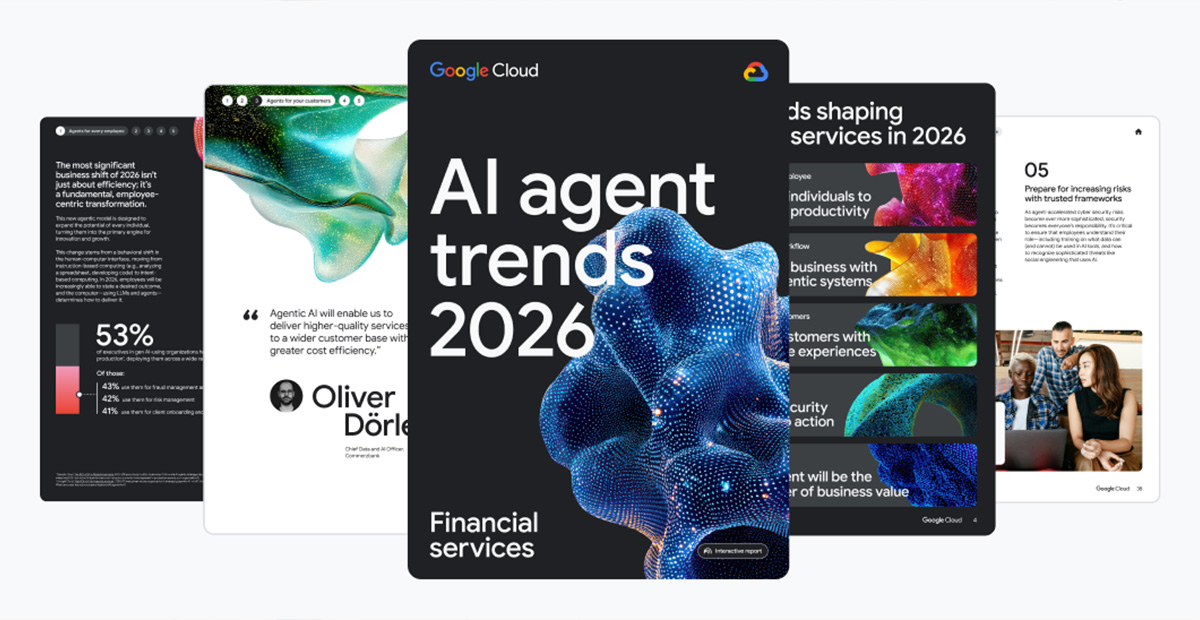
The era of agentic AI has arrived, with an impressive 75% of enterprises already piloting, deploying, or actively using AI agents. Yet, translating this momentum into true operational value comes with a significant challenge: integration. According to a Gartner Report, 20% of respondents stated that the integration of AI into other applications was one of the top three barriers to implementing AI initiatives.
For AI agents to move beyond simple isolation, they must be fully integrated with enterprise applications and data to reason effectively and take action based on those decisions. This requires organizations to evolve past traditional integration methods. Implementing emerging protocols, such as the Model Context Protocol (MCP), is a key component of this new paradigm.
To bridge this gap, IT leaders must focus on executing three core architectural pillars
- Expose AI-consumable interfaces: Create a set of interfaces that are designed for AI access and are focused on AI agents rather than humans as the consumer.
- Implement an AI control layer: Ensure governance, observability and auditability mechanisms to maintain security and trust, addressing integration and compliance challenges.
- Provide access to agent-ready data: Implement processes that ensure data that is exposed to agents is governed, well‑labeled, and accessible for reliable AI use.
To deliver true business value, agents must be integrated with enterprise applications to automate cross‑system tasks, generate real‑time insights, and improve productivity through optimization of workflows. Success should be measured by improvements in operational efficiency, autonomy, reduced costs, and governance compliance.
As experts in AI Connectivity, Perceptiva empowers your organization to seamlessly deploy the mediation layers, secure gateways, and agent-ready data pipelines. Let Perceptiva be your guide to transform your infrastructure and unlock the full, autonomous potential of your AI investments.